Download now


24 November, 2026
Dri Fit Fabric: What It Is and Why Teams Choose It
25 November, 2026 | Rigid Sportswear Team
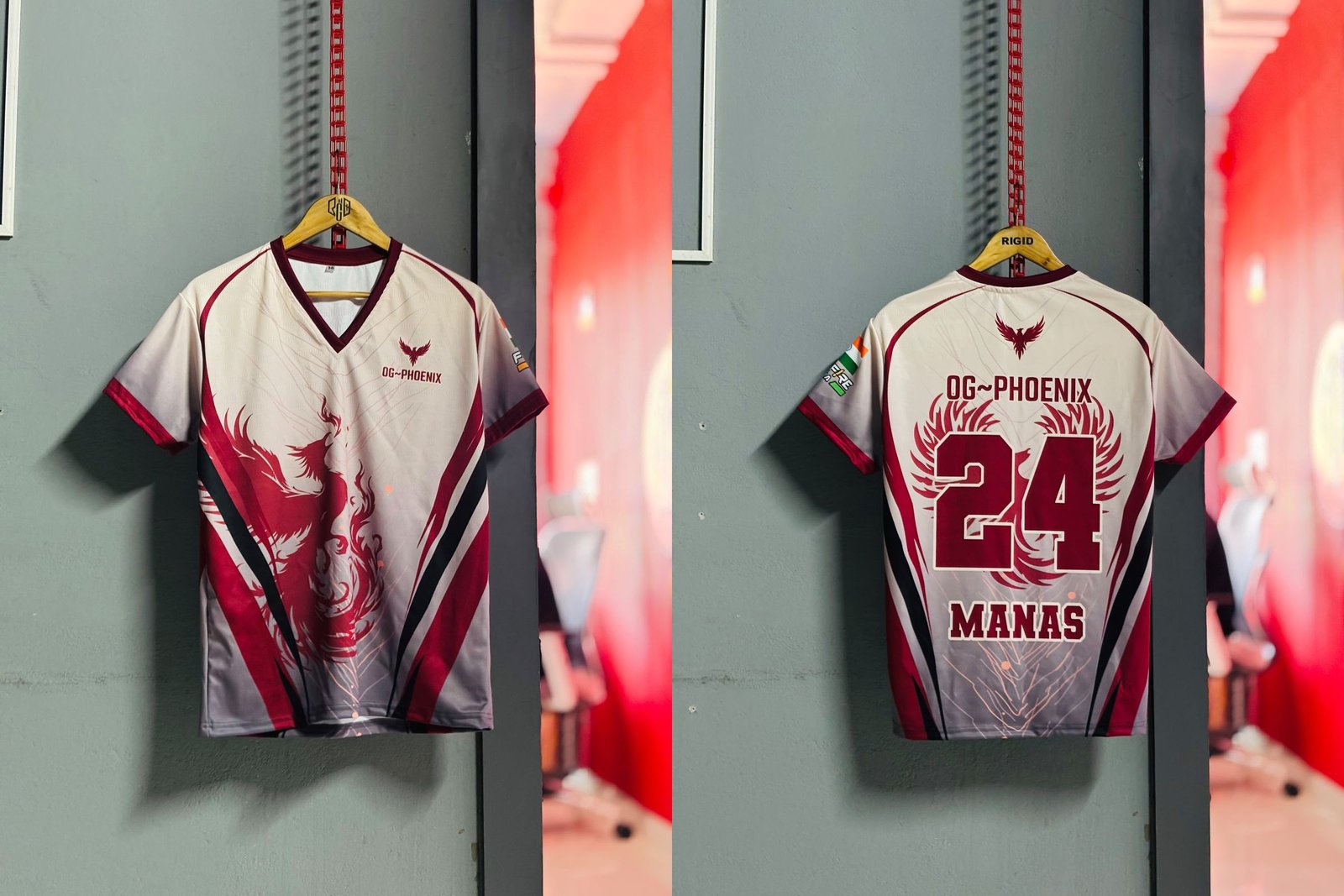
Dri fit fabric is a lightweight polyester knit that pulls sweat away from your skin and spreads it across the surface of the fabric so it dries quickly. That is why it feels lighter and cooler than cotton during a long match. When people in India ask a jersey maker for a “dri fit” jersey, they usually mean a breathable, quick-dry polyester that is good for sports, running and hot weather.
This guide explains how dri fit fabric works, the main types you will hear about, how it compares with cotton, and how to choose the right one for your team kit.
What Does “Dri Fit” Actually Mean?
“Dri fit” is not one single fabric. It is the everyday name for a group of moisture-wicking polyester fabrics used in sportswear. They share three qualities:
- Moisture wicking: the fibres move sweat away from the body instead of soaking it up.
- Quick drying: sweat spreads out over a larger area of the fabric, so it evaporates faster.
- Light weight: most dri fit jerseys are thin and soft, so they do not feel heavy when wet.
Cotton works the other way. It absorbs sweat and holds on to it, so a cotton T-shirt gets heavy, sticks to your back and takes a long time to dry. For a 20-over cricket match in April or a football game on an afternoon turf, that difference is easy to feel.
How Dri Fit Fabric Works
Polyester fibres do not absorb much water by themselves. In a dri fit knit, the yarn and the knitting pattern create tiny channels that draw sweat outward along the fibres, a bit like water moving up a paper towel. Once the sweat reaches the outer surface, air flow and body heat help it evaporate.
Many sports fabrics also have a textured or open knit, such as a fine dot or honeycomb pattern. These small holes and ridges let more air pass through and reduce the amount of fabric touching your skin. Our guide to 4-way stretch, anti-pilling and sweat dispersion explains these features in more detail.
Common Types of Dri Fit Fabric for Jerseys
When you ask for a dri fit jersey, the supplier will usually offer a few named polyester knits. Each one has a slightly different feel and weight. Here are the ones teams in India ask about most:
| Fabric | Typical weight | Feel | Good for |
|---|---|---|---|
| Salina | Around 160 GSM | Smooth and light | Cricket, football, everyday team kits |
| Dot knit | Around 165 GSM | Fine dotted texture | Hot-weather cricket, football, kho kho |
| Honeycomb | Around 160 GSM | Hexagonal texture, very airy | Humid cities and long outdoor matches |
| Diamond knit | Around 180 GSM | Balanced, slightly heavier | All-round kits used for training and matches |
| 4-way stretch knit | Around 220 GSM | Stretches in every direction | Kabaddi, fitted kits, cycling and running |
GSM means grams per square metre. A lower number is lighter and more breathable; a higher number is more durable and holds its shape better. For a full comparison, read our guide to jersey fabric types.
Dri Fit Fabric vs Cotton for Sports
Cotton still has its place, especially for casual event T-shirts. But for anything involving running, sweating or playing in the sun, dri fit polyester usually works better.
| Point | Dri fit polyester | Cotton |
|---|---|---|
| Sweat | Moves sweat away and dries fast | Absorbs sweat and stays wet |
| Weight when wet | Stays light | Gets heavy and clingy |
| Shape after washing | Holds shape, low shrinkage | Can shrink or stretch |
| Printing | Ideal for full sublimation | Suits DTF and screen printing |
| Best use | Match jerseys, training, running events | Casual event tees, merchandise |
We compare the two in more depth in our cotton vs polyester fabric guide.
Why Dri Fit Works So Well With Sublimation Printing
One of the biggest advantages of dri fit polyester is how well it takes sublimation printing. In sublimation, the ink turns into a gas under heat and bonds with the polyester fibres. The design becomes part of the fabric instead of sitting on top of it.
For a team jersey, that means:
- No heavy print layer. The jersey stays light and breathable, even with a full design.
- No cracking or peeling. There is nothing on the surface to come off.
- Unlimited colours and patterns. Gradients, stripes, camo and photo-style graphics all print well.
- Names and numbers built in. Each player’s name and number is printed with the rest of the design.
Sublimation needs polyester to work properly, so it is not suitable for 100% cotton. If you want a cotton or blended garment, DTF printing is usually the better option.
How to Choose the Right Dri Fit Fabric for Your Team
Think about the weather
For summer tournaments and humid coastal weather, go light: Salina, dot knit or honeycomb in the 160–165 GSM range. Our guide to the best jersey fabric for hot and humid weather in India covers this in detail.
Think about the sport
Cricket and football teams usually prefer a light, smooth fabric with room to move. Contact sports such as kabaddi need stretch, so a 4-way stretch knit is a better choice. Basketball and volleyball teams often go for an airy textured knit with a relaxed cut.
Think about how often you will wear it
A kit worn once for a weekend tournament can be light and simple. A school or academy kit worn several times a week will last longer in a slightly heavier 180 GSM fabric.
Think about the fit
Lighter dri fit fabrics drape loosely, while stretch fabrics feel closer to the body. Ask every player to check the size chart before you order, especially if you choose a stretch fabric.
Dri Fit Fabric Checklist Before You Order
- Sport and season decided (summer, monsoon or winter play)
- Fabric weight chosen: light (160–165 GSM), mid (180 GSM) or stretch (around 220 GSM)
- Printing method agreed: sublimation for full designs, DTF for plain or cotton garments
- Collar style and sleeve length agreed
- Names, numbers and sizes collected in one list
- Fabric sample or photo checked if the feel matters to your team
- Mock-up approved by the captain or coach
How to Care for Dri Fit Jerseys
Dri fit polyester is easy to look after, but a few habits keep it soft and the print bright:
- Wash inside out in cold or lukewarm water.
- Use a mild detergent and skip fabric softener, which can block the fabric’s ability to move sweat.
- Dry in the shade, not in strong direct sun.
- Do not iron directly on printed areas.
For a step-by-step routine, see our guide on how to wash sublimation jerseys.
Related Guides
- Jersey Fabric Types Compared: Salina, Dot Knit, Honeycomb and More
- Best Jersey Fabric for Hot and Humid Weather in India
- Sublimation vs DTF Printing for Jerseys
Want to see finished kits in these fabrics? Browse team jerseys in Our Creations.
Dri Fit Fabric FAQs
Is dri fit fabric 100% polyester?
Most dri fit jersey fabrics are 100% polyester, because polyester handles sweat well and takes sublimation printing. Some stretch versions blend polyester with spandex for extra give.
Is dri fit better than cotton for sports jerseys?
For playing sport, yes in most cases. Dri fit moves sweat away and dries quickly, while cotton soaks up sweat and gets heavy. Cotton is still fine for casual event T-shirts.
Can dri fit fabric be printed with names and numbers?
Yes. With sublimation printing, the full design, including every player’s name and number, is printed into the fabric, so it stays light and will not crack or peel.
Does dri fit fabric shrink after washing?
Polyester dri fit fabrics hold their shape well and shrink very little compared with cotton. Washing in cold water and drying in the shade helps them last longer.
Ready to Order for Your Team?
Share your sport, quantity and design idea with us on WhatsApp. We prepare a free design mock-up, and you can start from just 4 pieces. Chat with Rigid Sportswear on WhatsApp or visit our contact page.
Recent Posts
Dri Fit Fabric: What It Is and Why Teams Choo
Custom Basketball Jersey Guide: Fit, Fabric a
Jersey With Name and Number: A Complete Team
Custom Volleyball Jersey Guide: Design, Fit a
Football Jersey Design Ideas: A Practical Gui
What Is a Jersey Mock-Up and How Do You Appro
Categories