 Download now


Rigid Sportswear offers jersey printing services using four methods: screen printing, heat press (DTF), sublimation printing and embroidery. Each method suits different garments, designs and budgets. Below is how each one works and when to choose it.
Screen Printing
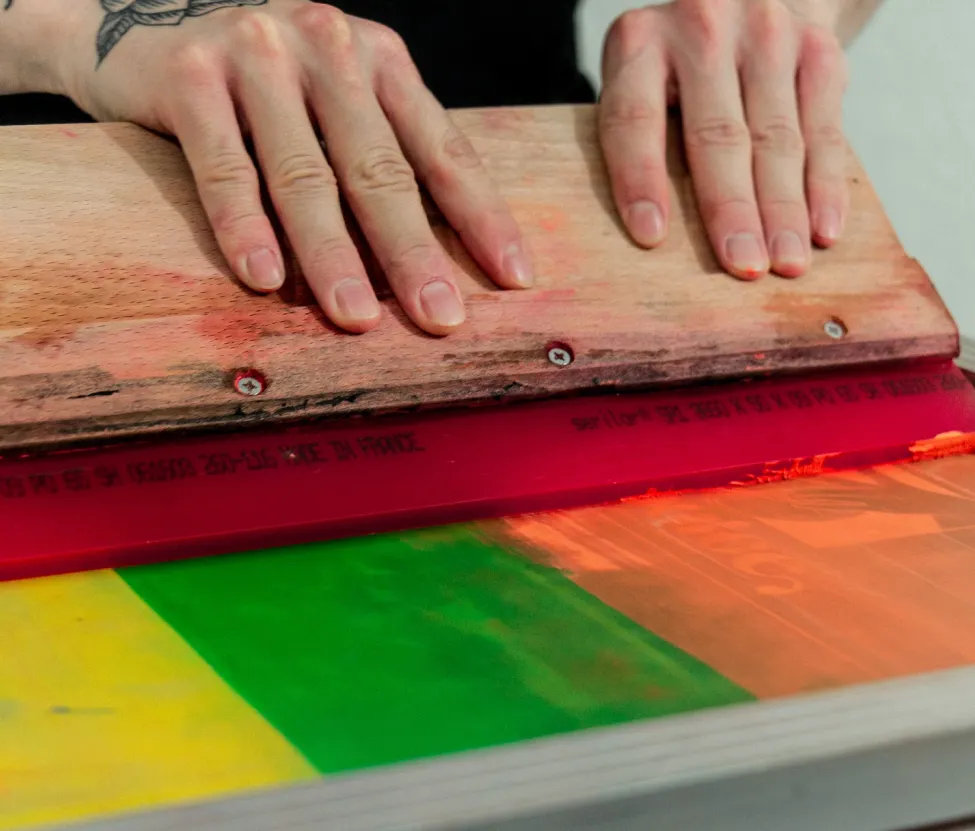
- The process of screen printing starts with the preparation of the screen. A light- sensitive emulsion is used to coat a screen mesh. The design is imprinted by exposing the screen to light while the non-designed areas are washed away.
- Application of color is the next step. The screen is colored with Ink. A Squeegee is used to push the screen through the stencil.
- The next step involves layering, during which screens are separated to keep each color in a separate design.
- Lastly, a heat press or conveyor is used to dry the printed fabric without impacting the ink.
Best for: simple one- or two-colour designs on cotton T-shirts, event merchandise and large runs of the same design. Screen printing gives bold, solid colours, but each extra colour needs its own screen, so it is less suited to detailed, full-colour artwork.
Heat Press
- The heat press process is initiated with the digital creation. The process is performed using specialized software.
- After design creation, the film is printed using DTF (direct-to-film) printing inks.
- The next step is the application of powder onto the wet ink on the film, and then it is heated to set.
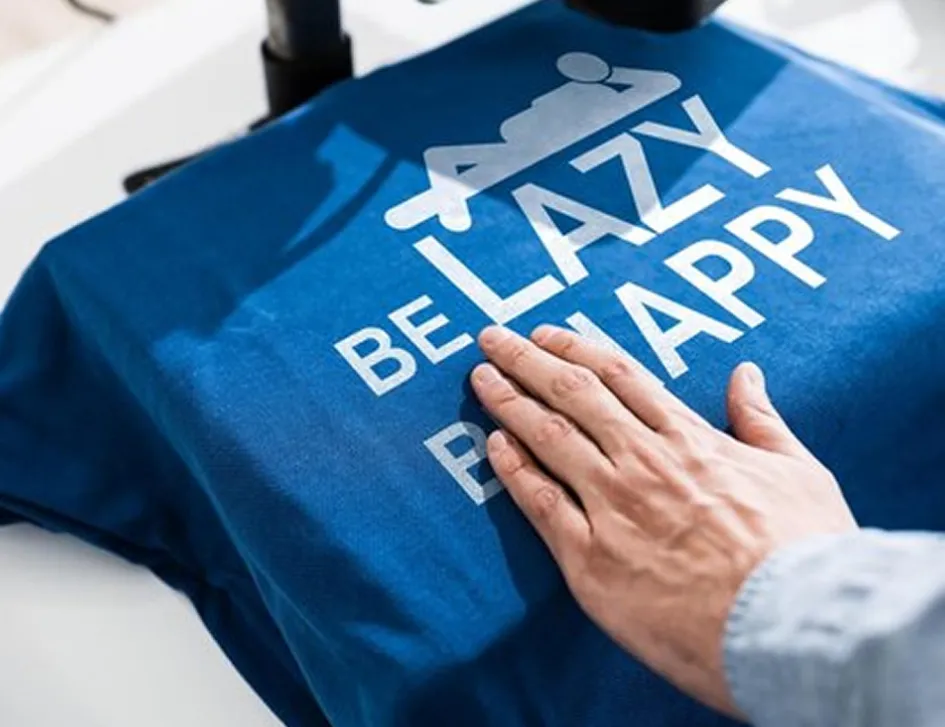
- The film is prepared and then placed on the fabric and transferred using a heat press.
- In the last step, the film is peeled off, leaving the design adhered to the fabric.
Best for: detailed, multi-colour logos on cotton T-shirts, hoodies and polos, and small quantities where screen printing would be costly. DTF prints are flexible and handle fine detail and gradients well, which makes them popular for hoodies and event T-shirts.
Sublimation Printing
- The sublimation printing starts with the design creation. In this process, the design is created digitally and mirrored before printing.
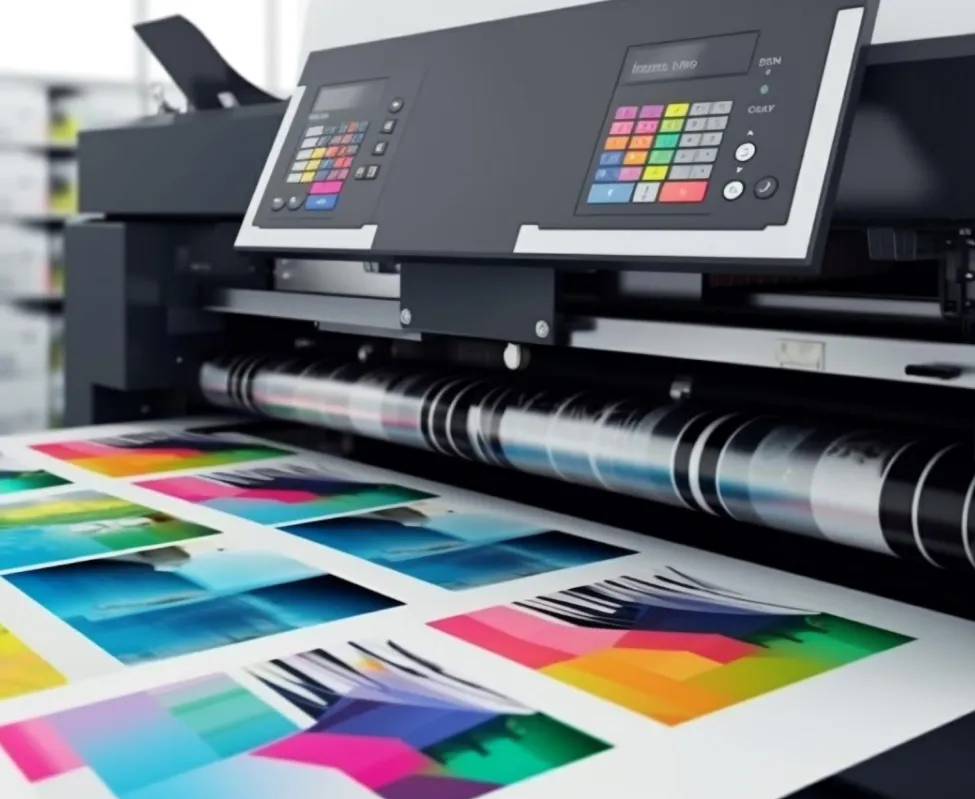
- A special sublimation transfer paper is used to print the design using sublimation inks.
- The transfer paper is placed onto the fabric at a high heat of 500°F and applied pressure using a heat press.
- Ink is then converted using gas with heat, which directly bonds with the fabric fibers, creating a permanent and smooth design.
Best for: sports jerseys with full-colour designs, gradients, patterns, names and numbers. Because the ink becomes part of the polyester fabric, sublimated designs never crack, peel or fade, and there is no extra cost for more colours. This is the method we use for almost all team jerseys. See our custom sports jerseys.
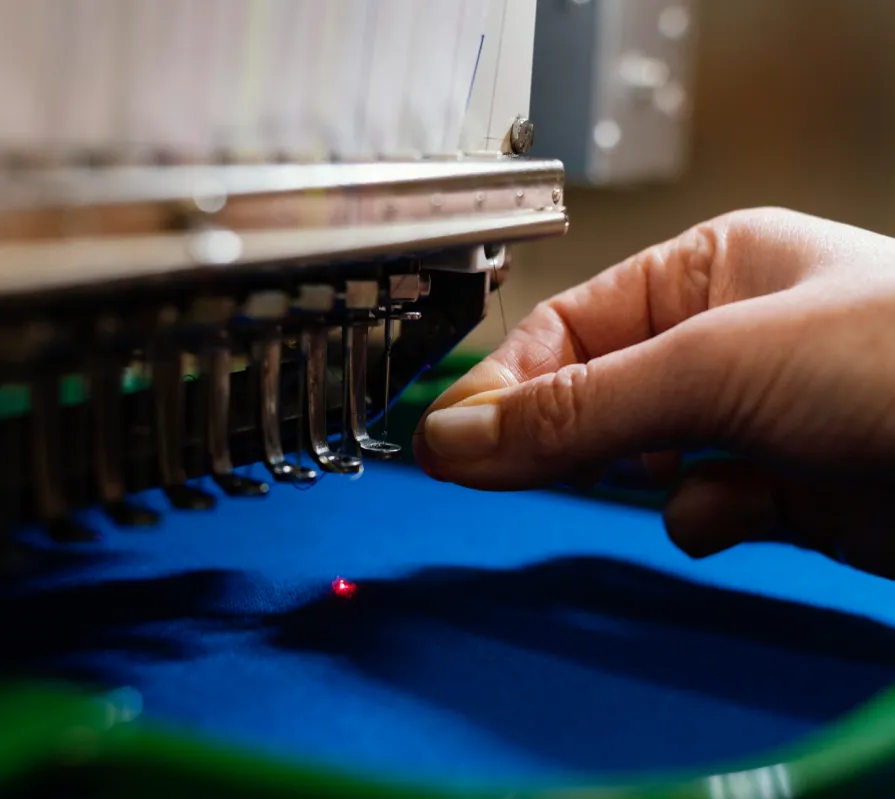
Embroidery
- The primary step is design digitization. In this step, an embroidery software is used to convert a logo or design into a stitch file.
- The next step includes fabric setup. During this step, the fabric is placed in a hoop to keep it taut during the embroidery process.
- We use a multi-needle embroidery machine to stitch the design onto the fabric automatically.
- Then the finishing touch involves the removal of the fabric from the hoop, trimmed and ironed for a clean finish.
Best for: company logos on corporate polos, staff uniforms, caps and jackets. Embroidery gives a premium, textured finish that lasts for years, which is why it is the first choice for office wear. See our corporate wear.
Not sure which of our jersey printing services is right for your order? Send your design on WhatsApp at +91 80738 77920 and we will recommend the best method, with a free mockup and a same-day quote. You can also compare fabrics in our size chart and fabric guide.
Printing Services – FAQs
Which printing methods do you offer?
We offer four methods: screen printing, heat press (DTF), sublimation printing and embroidery.
Which printing method is best for sports jerseys?
Sublimation is best for sports jerseys. The ink becomes part of the polyester fabric, so the print is breathable, has unlimited colours and does not crack or fade.
What is DTF printing used for?
DTF (direct-to-film) heat press printing is ideal for logos and designs on cotton T-shirts, hoodies and polos, including small quantities.
When should I choose embroidery?
Choose embroidery for a premium, long-lasting logo on polo T-shirts, caps, hoodies and staff uniforms.
Is screen printing good for bulk orders?
Yes. Screen printing is cost-effective for large orders of the same design with a few solid colours.
Can you help me choose the right method?
Yes. Tell us the product, quantity and design on WhatsApp (+91 80738 77920) and we will recommend the best and most affordable option.